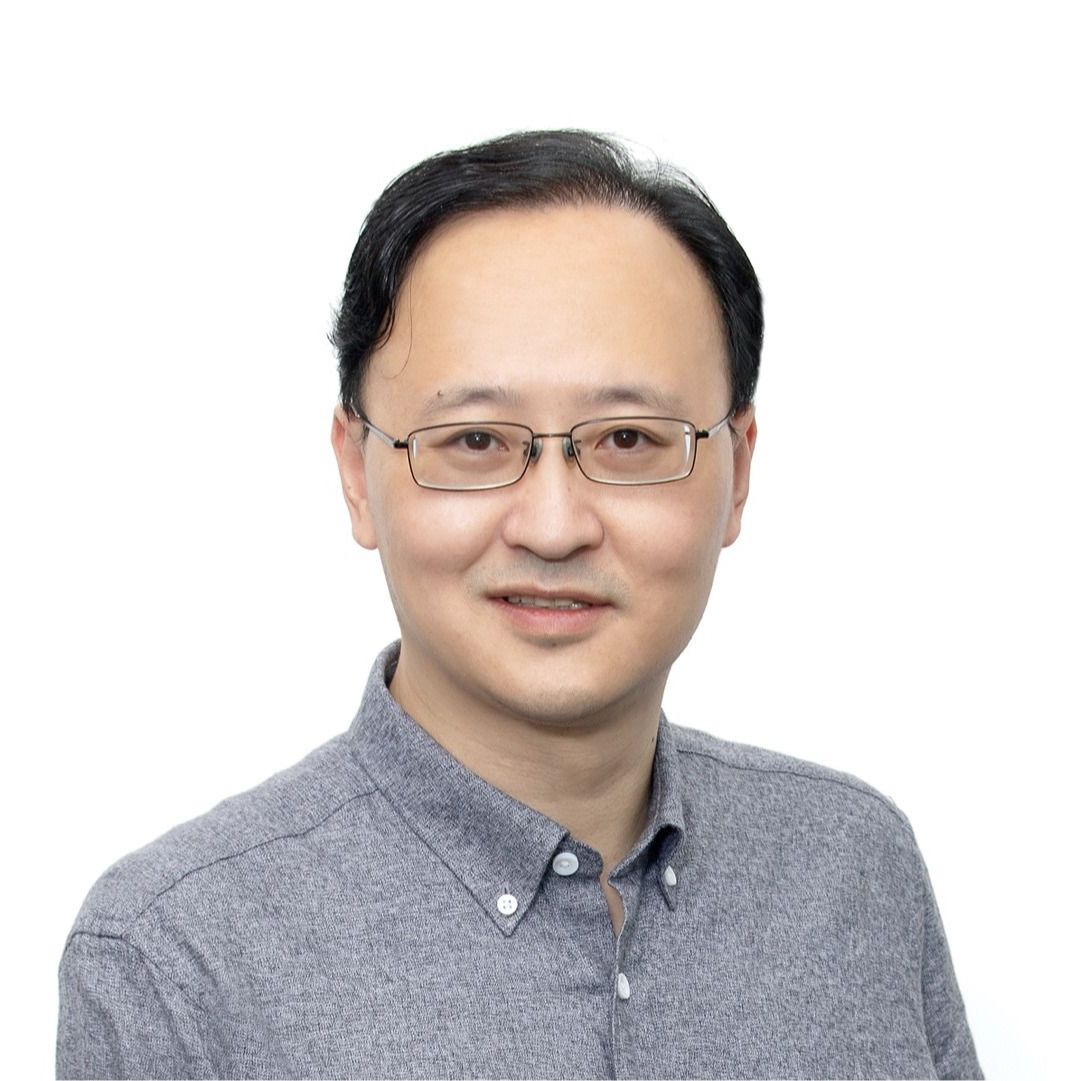
Prof Jia Liu

Prof Jia Liu

Tsinghua Chair Professor of Basic Sciences

Position: Dean of the Department of Psychological and Cognitive Sciences, Tsinghua University

Specialization: Brain-inspired Artificial Intelligence, Neural Data Integration

Affiliation: Tsinghua University, College of Artificial Intelligence, Beijing Academy of Artificial Intelligence

Biography

Dr. Jia Liu is a Tsinghua Chair Professor of Basic Sciences and serves as Dean of the Department of Psychological and Cognitive Sciences at Tsinghua University. He also holds an adjunct professorship at Tsinghua University's College of Artificial Intelligence and serves as Chief Scientist at the Beijing Academy of Artificial Intelligence.

Key Research Areas

  • Brain-inspired artificial intelligence
  • Neural data integration from multiple sources
  • Next-generation artificial neural networks
  • Cognitive science and computational modeling

Research Focus

His research focuses on brain-inspired artificial intelligence, integrating neural data derived from:

  • Calcium imaging in mice
  • Neurophysiological recordings in monkeys
  • MRI-based neuroimaging in humans

These diverse neural data sources are used to develop new algorithms for next-generation artificial neural networks.

Honors and Recognition

  • Consistently recognized on Elsevier's list of Highly Cited Chinese Researchers
  • Recipient of the First Prize in Natural Sciences awarded by the Ministry of Education of China
  • Tsinghua Chair Professor of Basic Sciences
  • Chief Scientist at the Beijing Academy of Artificial Intelligence

Leadership Roles

  • Dean of the Department of Psychological and Cognitive Sciences, Tsinghua University
  • Adjunct Professor at Tsinghua University's College of Artificial Intelligence
  • Chief Scientist at the Beijing Academy of Artificial Intelligence

Academic Impact

Professor Liu's interdisciplinary approach combines neuroscience, cognitive science, and artificial intelligence, providing new insights and methods for developing more intelligent and efficient artificial systems. By integrating multiple types of neural data, his research contributes significantly to understanding brain mechanisms and applying them to artificial intelligence system development.